Every year, breweries dump 38.6 million tonnes of soggy spent grain. We pyrolyze it on-site into biochar, syngas, and process heat. The carbon stays in the ground for centuries.

Wet grain has to leave the brewery fast. Miss the window and it ferments in-house, releasing methane and odors that make it nobody's friend.
Brewers ship spent grain to farms, composters, or landfills. Each route adds transport emissions, and without nearby farmland, real disposal fees.
Each dry kilogram of BSG carries roughly 11 MJ of recoverable chemical energy and ~50% usable carbon. Trucked off as feed, compost, or landfill, none of it stays at the brewery.
Transportation, anaerobic digestion in livestock, decomposition in compost. The same kilogram of grain emits across multiple pathways.
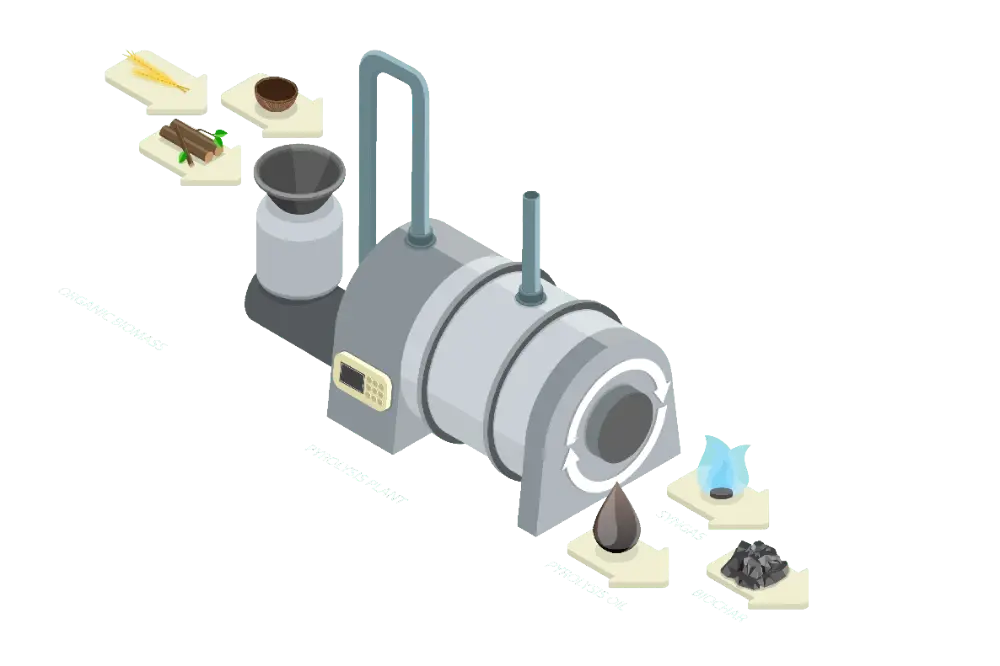
Wet BSG from the brewery's mash tun, transferred straight into the SequesChar feed hopper.
Augered through an oxygen-deprived chamber at around 450 °C. The grain dries, devolatilizes, then carbonizes.
Solid biochar, combustible pyrolysis vapors (syngas + bio-oil), and the process heat released as they combust. All useful, all on-site.

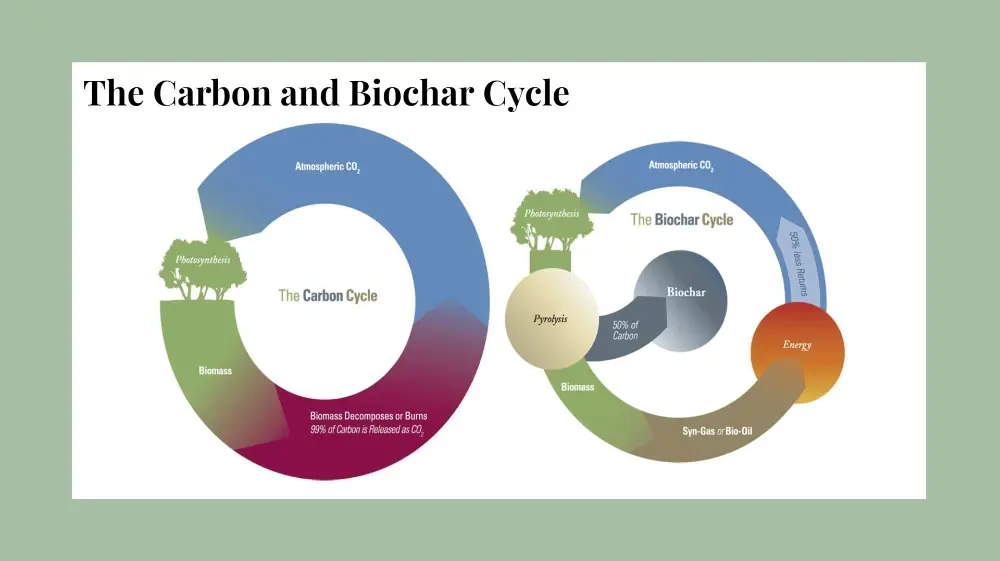
Spent grain rotting in a compost heap or a landfill releases nearly all of its carbon back into the atmosphere within months.
Half the carbon comes out as biochar, a porous solid that won't break down. The other half drives a syngas burner, displacing fossil heat.
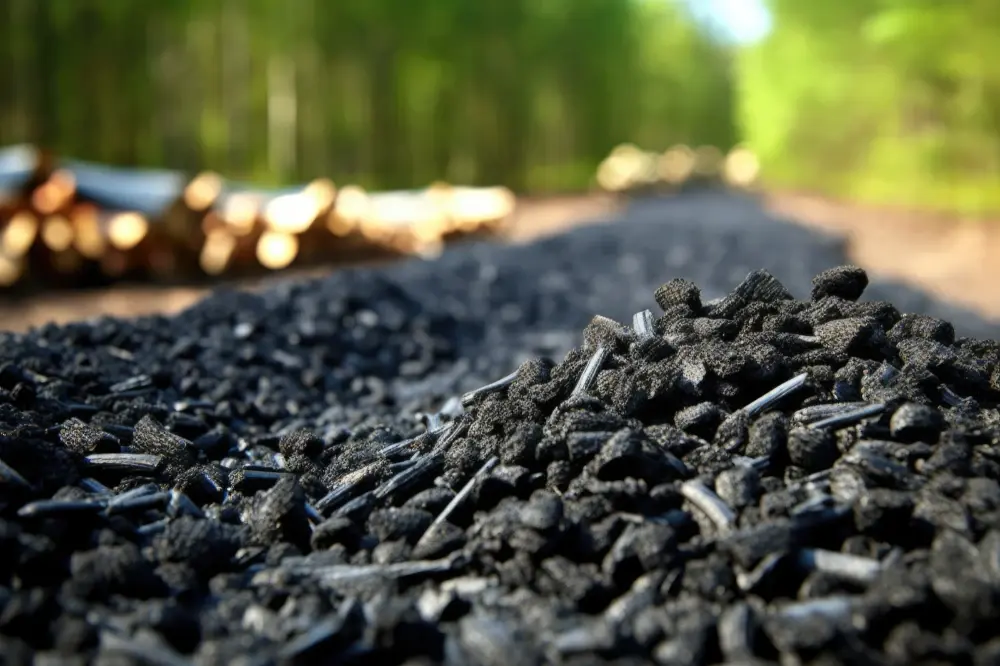
Plowed into soil, BSG biochar has a mean residence time of 100 to 1,000 years. We're targeting at least 250. It also makes the soil better at growing the next crop.

Biochar's porosity gives it a surface area in the hundreds of square meters per gram. That structure lets it hold water, nutrients, and beneficial microorganisms, restoring soils that synthetic agriculture has depleted.
Mixed into the ground, it doesn't break down. The carbon that biomass pulled out of the atmosphere stays sequestered, indefinitely.

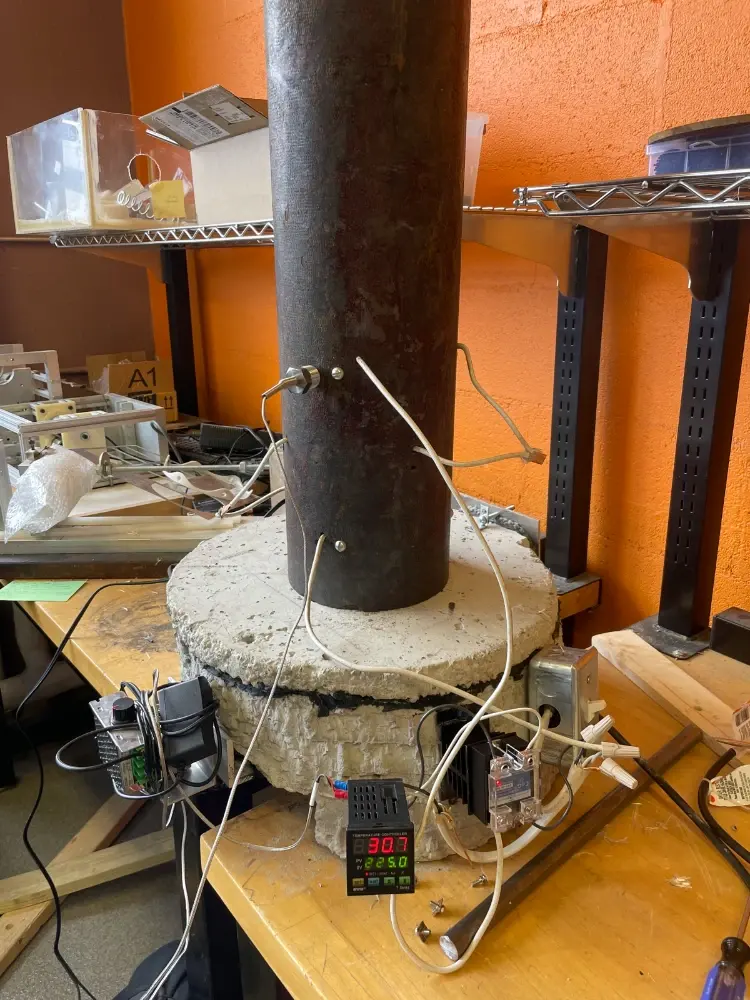
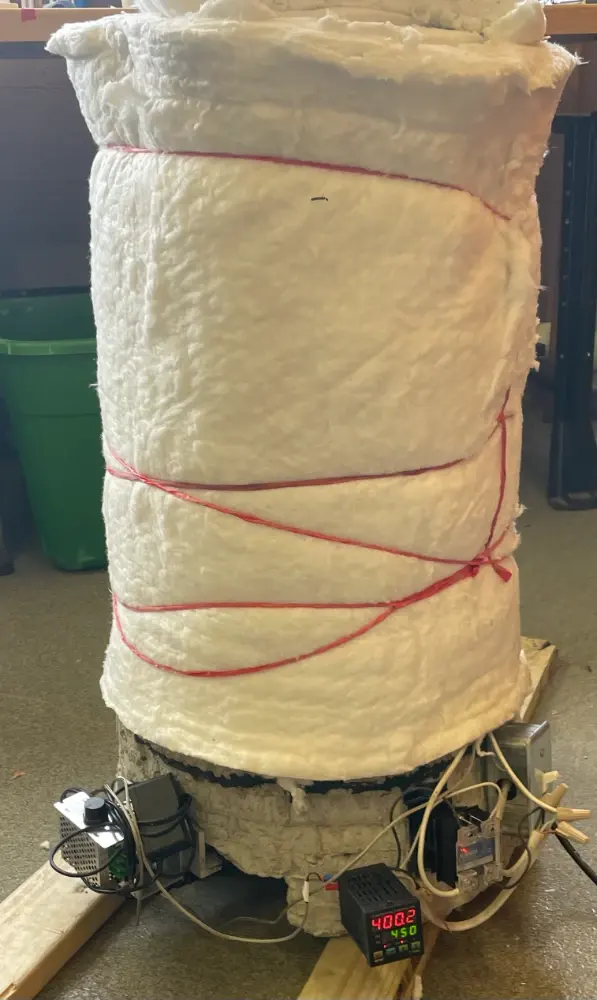
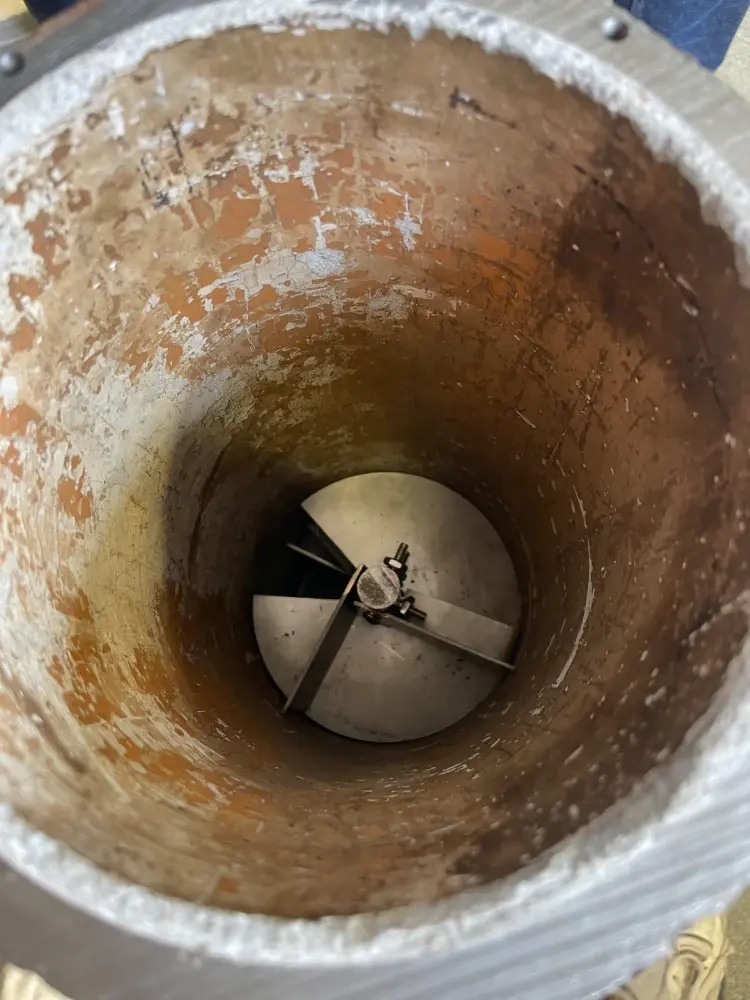
A salvaged steel cylinder on a hand-poured concrete base, wrapped in ceramic blanket, fed by an off-the-shelf temperature controller. Crude, but it cracked biomass and won the UMass Innovation Challenge.
Insulated
Auger
Winner
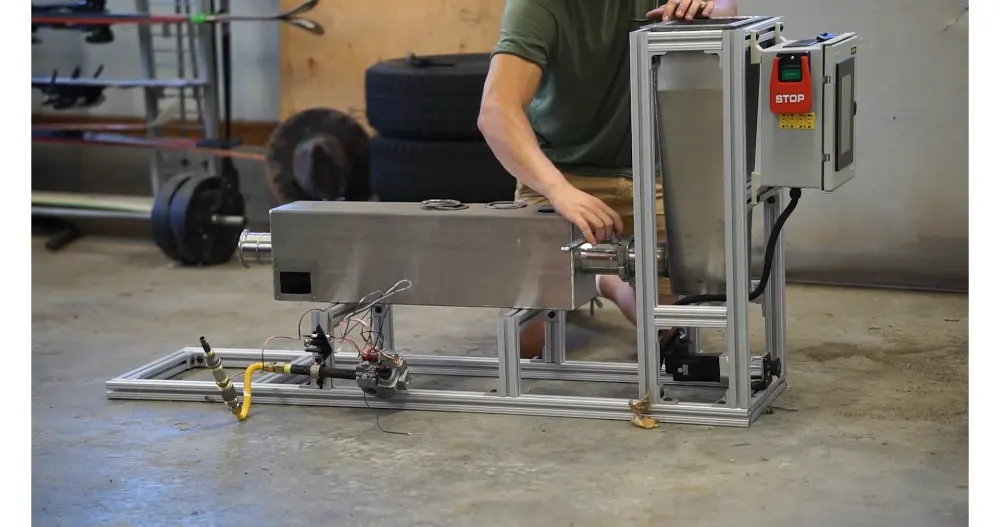
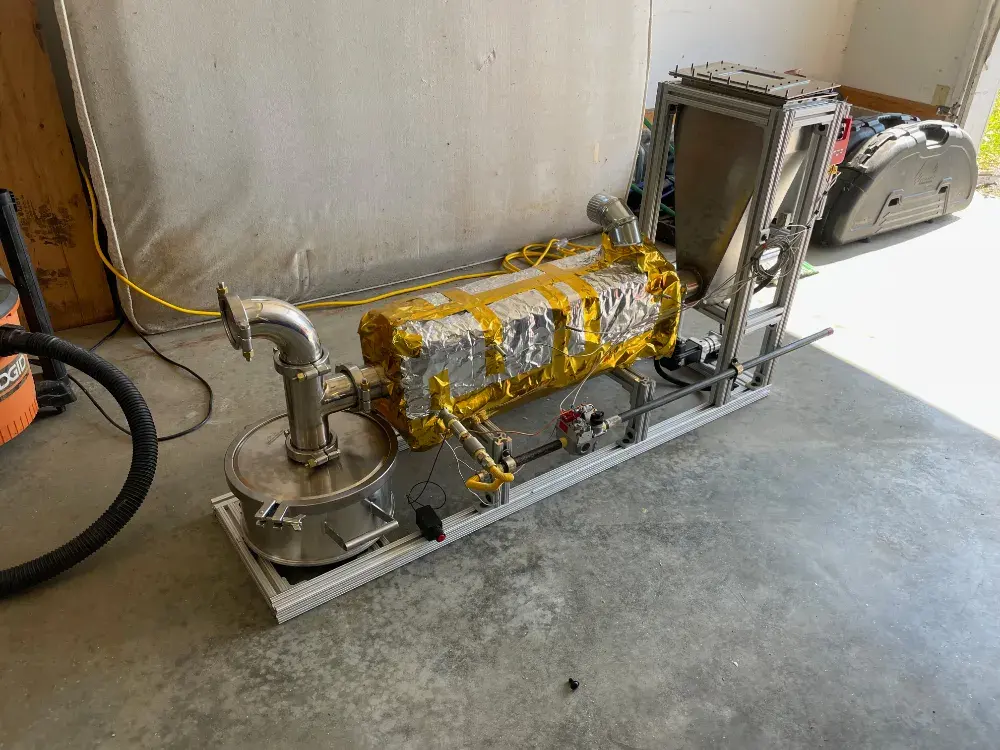
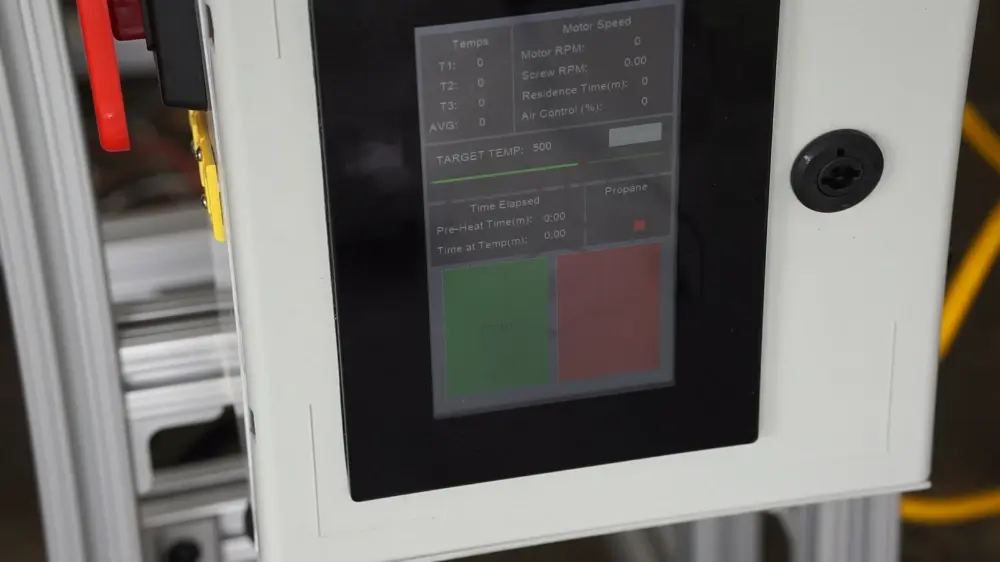
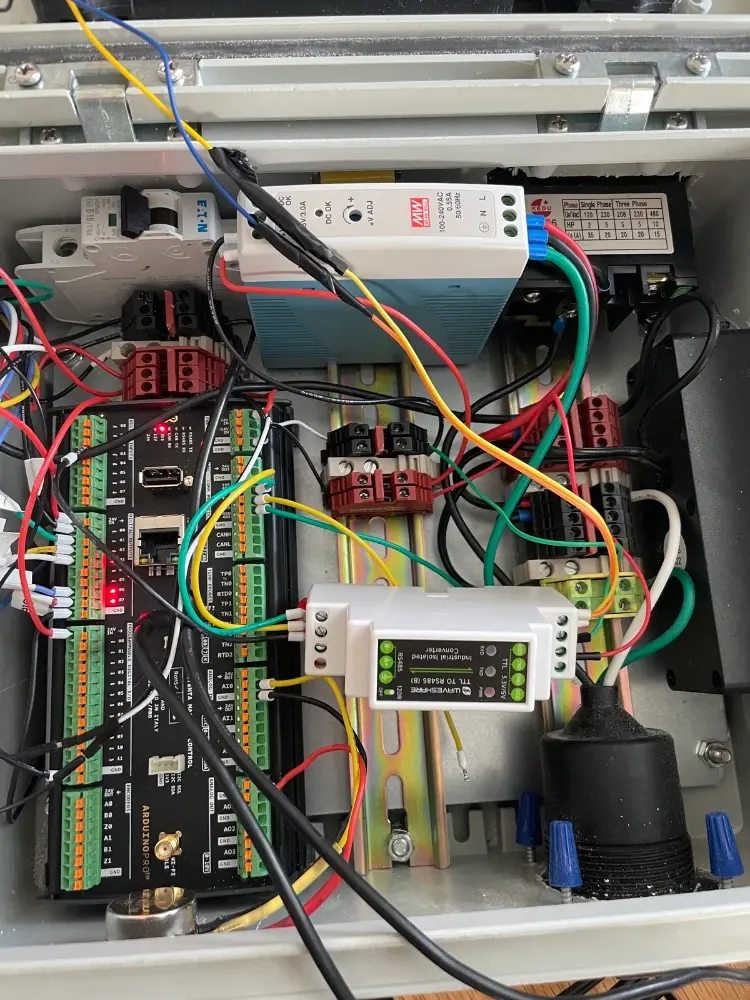
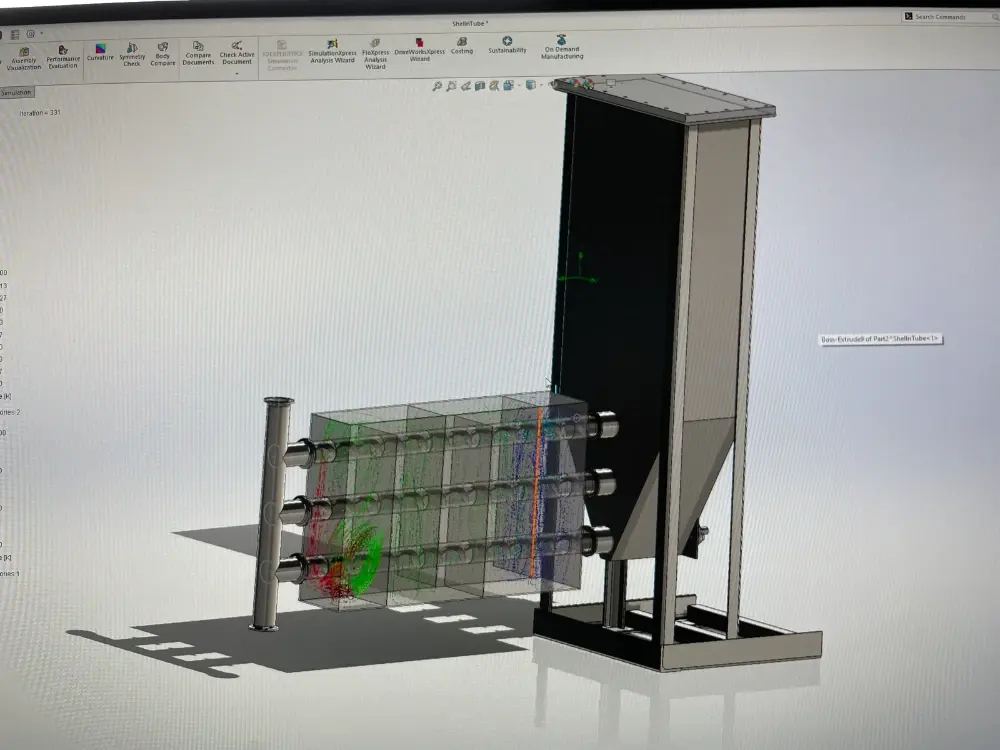
Engineered for a brewery floor. Continuous-feed auger, multi-zone thermal control, sealed pyrolysis chamber, integrated syngas return. Built from real grant funding after the Innovation Challenge win.
HMI
Wiring
CFD
B.S. Mechanical Engineering, UMass Amherst

M.S. Mechanical Engineering, UMass Amherst


If you're a brewery, a sustainability lead, an investor, or a collaborator, we'd like to hear from you.
hello@sequeschar.com